Spur Gear Manufacturer in Türkiye
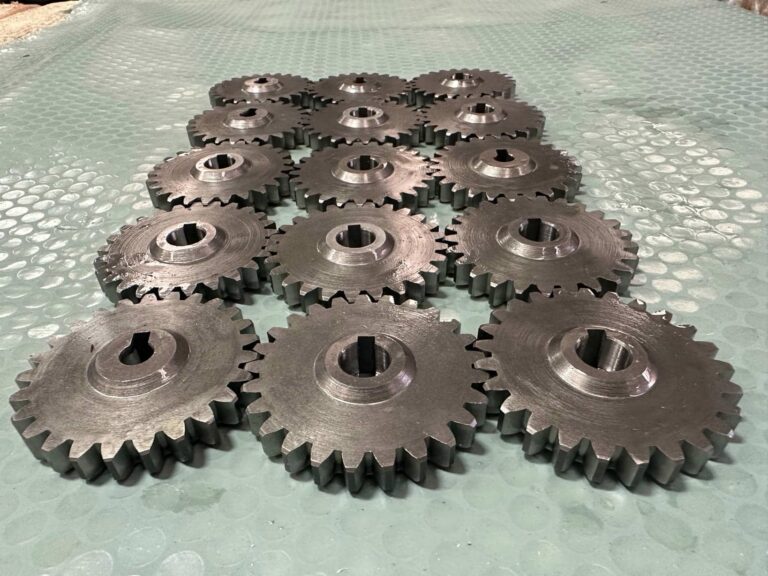
We manufacture custom spur gears, spur pinions and gear wheels to your drawing – hobbed, shaped or ground, case-hardened or induction-hardened, from single replacement gears to repeat series.
- Ø1,800 mmmax. diameter
- m 0.5–30module range
- DIN 3962accuracy grades
- 1 pc +quantities
- 3.1certificates
Straight-Tooth Gears for Industrial Drives
Spur gears are the most widely used gears in industry: straight teeth parallel to the axis, simple to design, efficient and economical to manufacture. They run in gearboxes, conveyors, pumps, cranes, agricultural and forestry machinery and countless special machines.
Nika Gears produces spur gears with hubs, keyways, splined bores, bolt-hole webs and integral shafts – exactly as drawn. Teeth are hobbed or shaped, hardened to your specification and ground when the accuracy grade calls for it.
At a glance
- Sizespinions to large gears
- Module0.5 – 30
- Face widthto drawing
- AccuracyDIN 3962 grade 5–9
- Materials16MnCr5, 42CrMo4, C45
- Hardeningcase, induction, nitriding
- Quantities1 pc to series
Spur Gear Variants
Every variant is produced to drawing, with the bore, hub and fixing features machined in the same order.
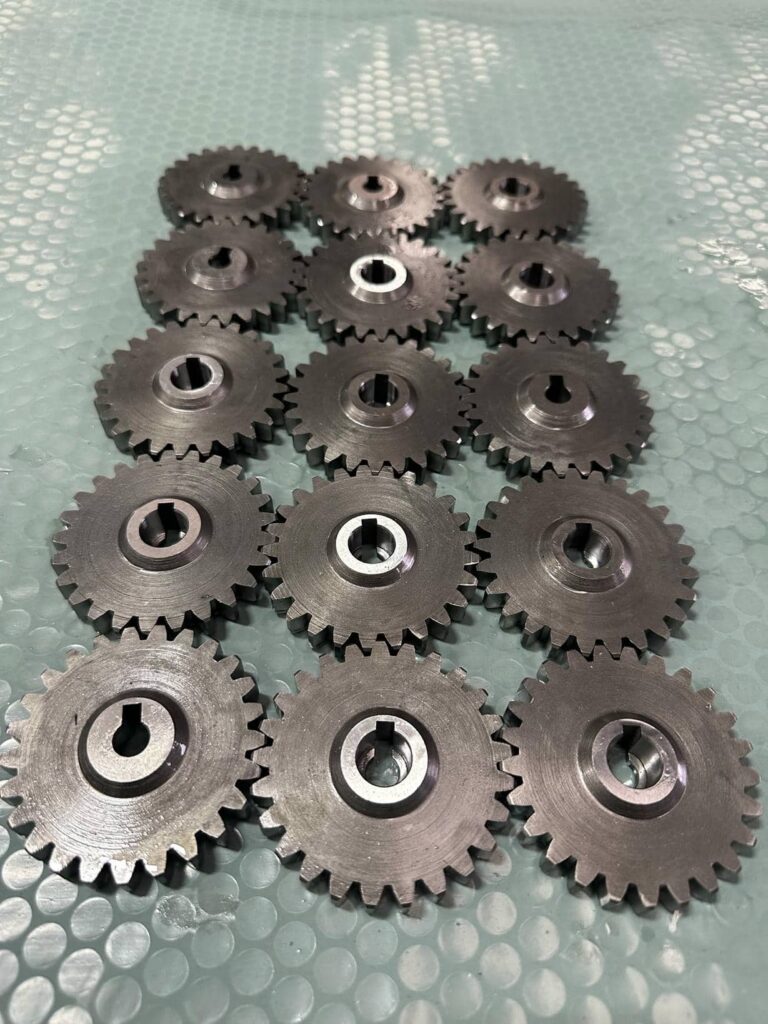
Spur Gears With Hubs and Keyways
Gear wheels with machined hubs, keyways or splined bores for mounting on shafts – the standard part of most industrial gearboxes.
- Keyways to DIN 6885
- Splined bores to DIN 5480
- Set-screw and clamping hubs
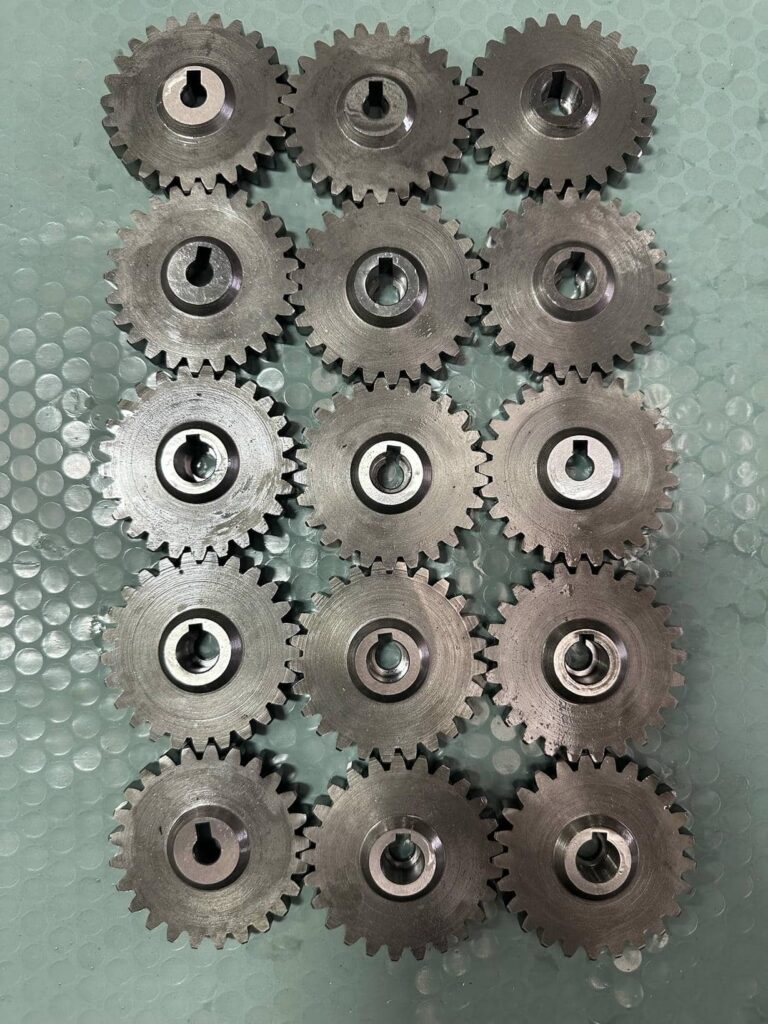
Series Spur Gears
Repeat batches for OEM production with consistent tooth thickness, runout and hardness from batch to batch.
- Dedicated hobs and fixtures
- Batch inspection reports
- Call-off orders
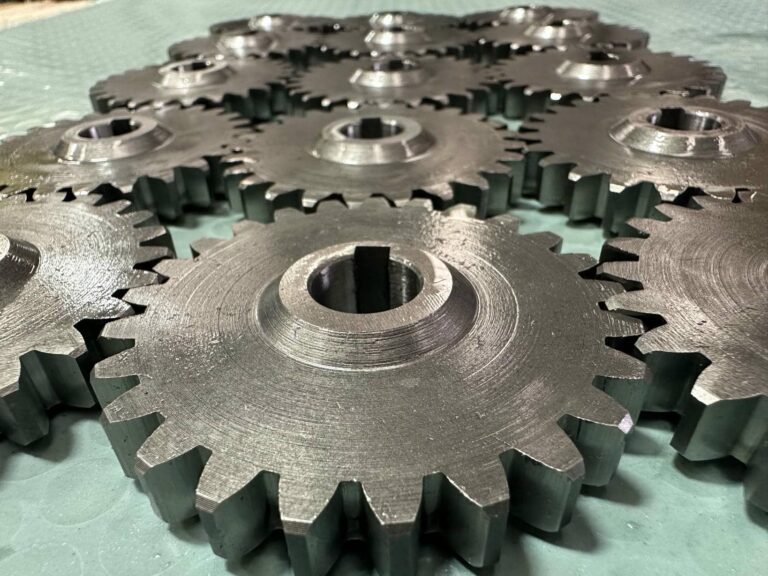
Large Spur Gears
Large gear wheels with lightening holes, bolt-hole webs or split designs for heavy machinery, mills and cranes.
- Large diameters, coarse modules
- Forged or plate blanks
- Induction-hardened teeth
Spur Gear Specifications: What Can We Make?
Typical manufacturing range for custom spur gears.
| Parameter | Range |
|---|---|
| Outside diameter | small pinions up to Ø1,800 mm |
| Module | 0.5 to 30 (DP equivalents on request) |
| Pressure angle | 20° standard; 14.5°, 25° and special profiles |
| Profile modifications | profile shift, tip relief, crowning |
| Accuracy grade | DIN 3962 / ISO 1328, grade 5 ground to grade 9 hobbed |
| Materials | 16MnCr5, 20MnCr5, 18CrNiMo7-6, 42CrMo4, 34CrNiMo6, C45, cast iron, bronze |
| Heat treatment | case hardening, induction hardening, nitriding, quench and temper |
| Documents | EN 10204 3.1, hardness, gear measurement, dimensional report |
Ranges are typical. Send your drawing and we confirm feasibility for your exact part.
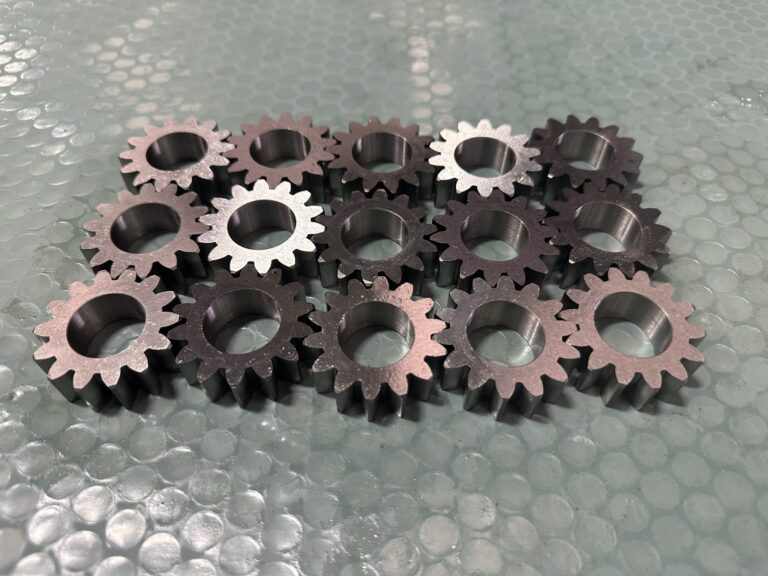
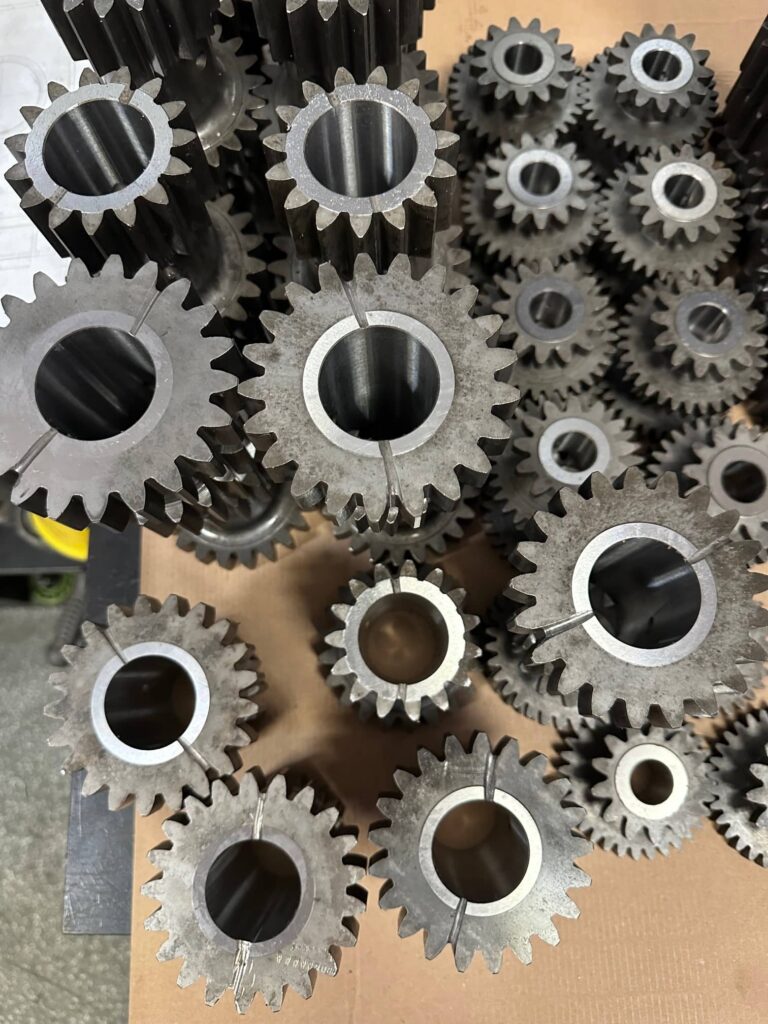
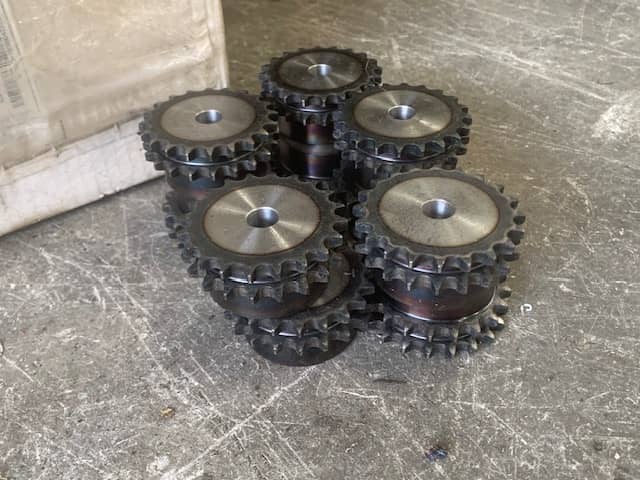
Spur Gears From Recent Orders
Where Do Our Spur Gears Run?
Industries that use our spur gears: industrial machinery · construction machinery · food and beverage · mining
Questions About Spur Gears
What is the largest spur gear you can make?
Up to Ø1,800 mm and module 30. Smaller gears and pinions are produced on dedicated hobbing and shaping machines for best accuracy.
Do you grind spur gears?
Yes. Hardened spur gears are profile ground on Niles machines up to Ø1,250 mm and module 25 when the drawing asks for tight accuracy grades.
Can you copy a worn spur gear?
Yes. We measure the sample – tooth count, module, pressure angle and profile shift – prepare a drawing for your approval and manufacture the replacement.
Which material should I choose?
For high loads in compact gearboxes, a case-hardening steel such as 18CrNiMo7-6 or 20MnCr5. For large gears and moderate loads, induction-hardened 42CrMo4. We advise when we quote.
Custom Spur Gears: Design, Materials and Manufacturing
A spur gear is a cylindrical gear with straight teeth cut parallel to its axis. Because the teeth engage across their full width at once, spur gears are simple, efficient – typically around 98% per stage – and carry no axial load. That makes them the default choice for parallel-shaft drives where noise at high speed is not the deciding factor.
How we manufacture spur gears
Production starts with the blank: forged rings, bar stock or flame-cut plate, turned on CNC or vertical lathes with the bore and faces true to each other. The teeth are then hobbed – the fastest method for external gears – or shaped when a shoulder or a second gear is too close for a hob. Keyways are slotted, splines are cut, and bolt holes are drilled on our machining centres.
After cutting, the gear is heat treated to the drawing. Case-hardened spur gears are ground after hardening to remove distortion and reach the specified accuracy grade; induction-hardened large gears are usually finished by precise hobbing before hardening.
Choosing module, material and accuracy
Module sets tooth size and therefore load capacity. Material and heat treatment decide how much stress the tooth flank and root can take. Accuracy grade decides noise, vibration and how evenly load is shared. A spur gear for a slow conveyor drive may run perfectly at DIN grade 9; a high-speed pump drive may need grade 6 ground teeth. We review these choices on every drawing.
Spur gears versus helical gears
Spur gears are cheaper to make and impose no thrust on the bearings, but they are noisier at speed. Where noise or load is critical, helical gears are often the better choice. For linear motion, a spur pinion runs on a gear rack. When the gear is part of a shaft, see pinion shafts.
Spur gears for European OEMs
As a spur gear manufacturer in Türkiye, Nika Gears supplies machinery builders across Europe with single replacement gears and repeat series alike. Every order includes EN 10204 3.1 material certificates and the inspection reports agreed at quotation. Send your drawing for a price and lead time.
Send a gear drawing. Get an answer within 24 hours.
Include the PDF or STEP file, module or DP, number of teeth, material, heat treatment, accuracy grade and quantity. We reply with questions or a quotation.